Badia a Passignano, history, landscape and visiting
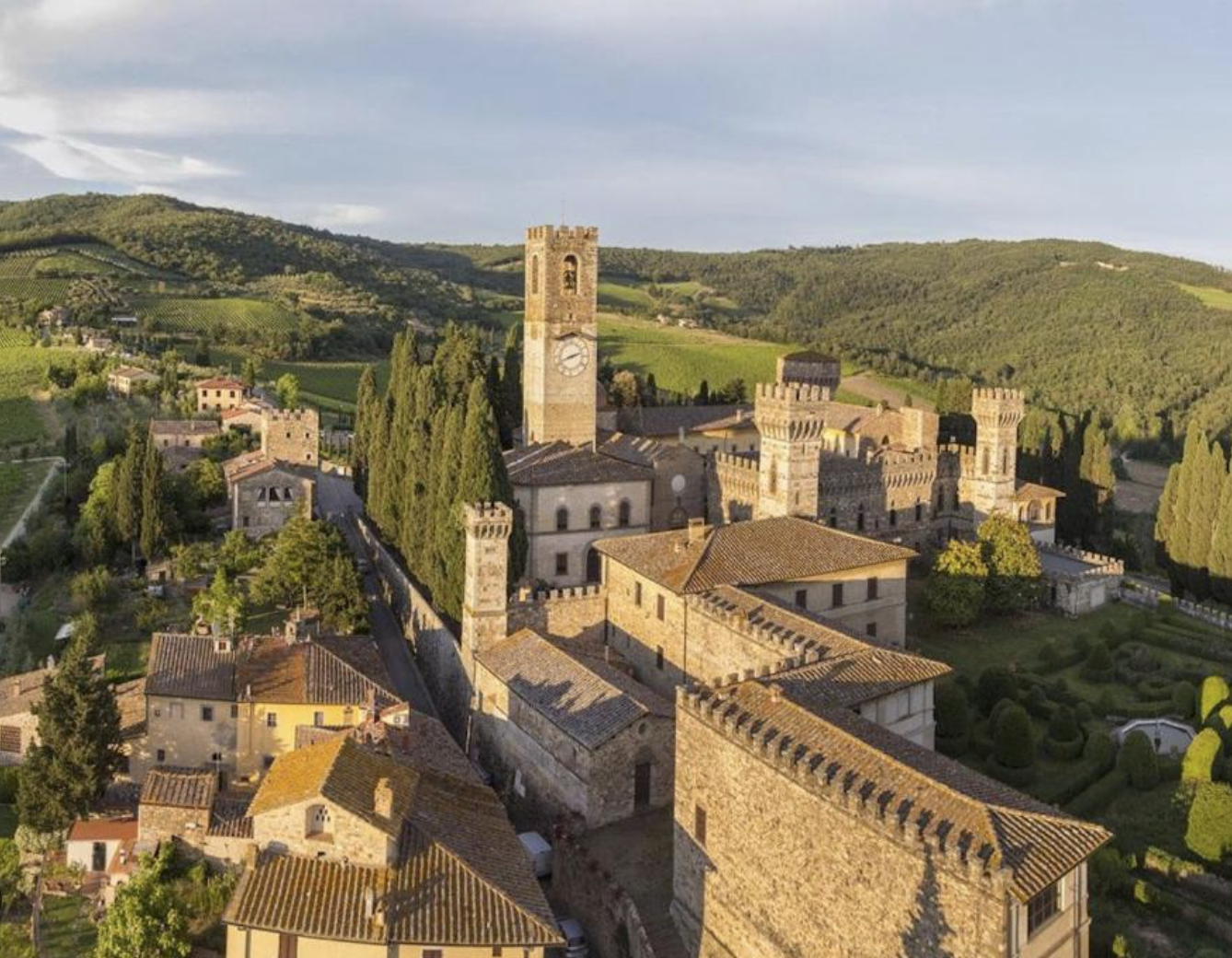
Badia a Passignano
Badia a Passignano is a small historic hamlet in the heart of Chianti, renowned for its Benedictine abbey, one of the most important monastic complexes in Tuscany. This remarkable monastery, belonging to the Vallombrosan Benedictine order, was founded around 890 AD by Sinchelmo on the remains of an ancient Lombard fortress, in what was then a strategic position in the Chianti hills.
Over the centuries, the Abbey of San Michele Arcangelo became a center of spiritual, cultural, and agricultural life. Saint John Gualbert, founder of the Vallombrosan Benedictines, died here in 1073, and his tomb is still preserved inside the monastery today, making the abbey an important place of pilgrimage and devotion.
The monastery’s history is marked by the presence of many illustrious figures, including popes and cardinals. In the 16th century, even Galileo Galilei stayed here, teaching mathematics and physics to the monks — a testament to the abbey’s role as a place of learning as well as faith. Architecturally, the complex reflects centuries of development, combining Romanesque and Renaissance elements. Among its greatest treasures is the celebrated Last Supper fresco by Domenico Ghirlandaio (1476), considered one of the masterpieces of the Italian Renaissance.
Located about 30 km from Florence and 50 km from Siena, Badia a Passignano offers a rare opportunity to immerse oneself in history, art, and unspoiled nature, surrounded by vineyards, olive groves, and forested hills.